Editorial scope
Brand Internet is built for UK readers who need a clear broadband decision before they enter a postcode checker. This article is not a live quote engine and it does not claim first-hand line measurement at your address. The research starts from official provider pages and regulator guidance, then turns those facts into the practical checks a reader should make before ordering. The editorial standards behind that process are described in our editorial policy, and the commercial-disclosure model is explained on about Brand Internet.
For this update we cross-checked Virgin Media broadband, BT broadband deals, Ofcom switching guidance, Openreach one-touch switching. Those pages are useful because they separate provider claims, switching rules, eligibility wording, and live deal pages. They are still only a starting point. Broadband pricing and availability are postcode-sensitive, so the final decision should happen on the provider checkout page after you confirm address availability, contract length, setup cost, annual price change wording, and cancellation rules.

Quick verdict
Virgin Media can be compelling where its network offers strong speed or bundles, while BT is often the cleaner mainstream Openreach-network choice; address availability decides the shortlist. The better choice is usually the plan that keeps the whole household stable at busy times, not the plan with the biggest headline number. If two deals look close, put the slower but clearer contract ahead of a faster offer that hides setup costs, annual-rise language, router-return penalties, or unclear installation dates.
Do not compare national reputations. Compare your address result. If Virgin Media gives a faster or better bundle at the same total cost, it can win. If BT gives enough speed with clearer contract handling, it can be the calmer choice. The losing option is the one that makes you pay for capacity or extras the household will not use.
What to check first
| Check | Why it matters | How to use it |
|---|---|---|
| Network at address | The winner can change by street or building. | Run both postcode checkers before reading the price tiles. |
| Download and upload | Virgin and BT packages can differ in upload profile and top speed. | Compare the actual speed estimate, not only the package name. |
| Bundle value | TV, mobile, and sport bundles can obscure broadband value. | Price broadband-only first, then add bundles you would use. |
| Switching process | Different networks can mean different installation steps. | Confirm dates before ending the current service. |
Run both address checks in the same sitting and save the package names. If Virgin Media shows a much stronger speed tier and the contract is acceptable, it may be the practical winner. If BT offers enough speed with a clearer install and support path, there is no reason to overbuy speed just because it is available.
Provider and availability notes
- Virgin Media: Strongest when its address result is materially better or the bundle replaces services the household already pays for.
- BT: Strongest when full fibre is available and the household values a mainstream Openreach-network option.
- Other Openreach providers: If BT is available, compare at least one value-focused Openreach provider before deciding.
- Switching rules: Use the current switching process guidance so the old and new services do not leave a gap.
These notes are deliberately cautious. UK broadband coverage varies by street, building type, Openreach or alternative-network status, and sometimes by whether a previous line or cable service already exists. Use our full fibre deals, cheap broadband guide, BT review, switching guide, home-working shortlist pages to move from one decision angle to the next without switching to a different editorial framework.
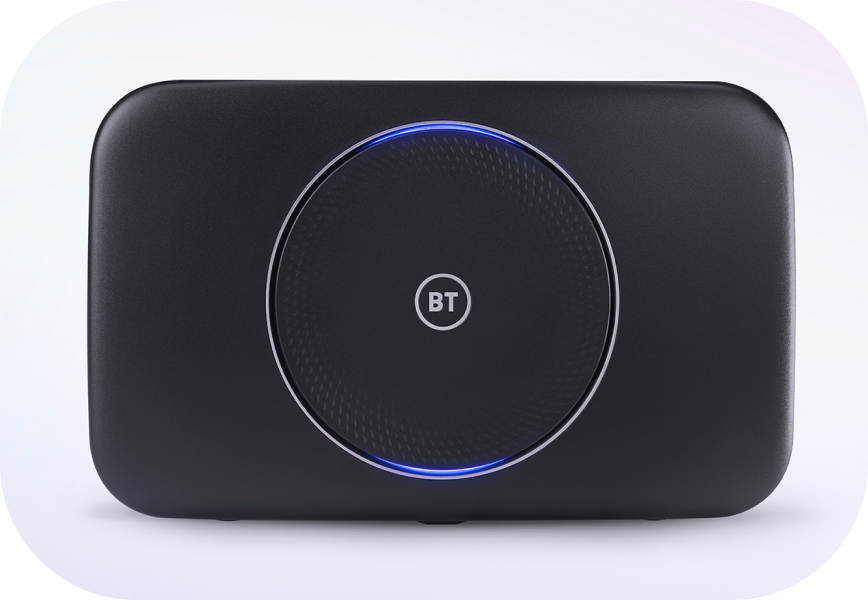
Side-by-side verdict
    This comparison should not be read as a national winner-takes-all ranking. Virgin Media and BT can both be the right answer, but usually for different reasons. The table below keeps the decision tied to the address result and the contract rather than brand familiarity.

    | Check | Why it matters | How to use it |
| --- | --- | --- | | Best speed story | Often strong where its cable or fibre footprint is live | Strong where full fibre is available; otherwise depends on local Openreach options | | Bundle angle | Broadband, TV, and mobile bundle value can matter | Broadband-first with add-on options depending on current packages | | Availability caveat | Not universal; postcode result is decisive | Broad but exact technology varies by address | | Best fit | Households that want high download speed or a bundle they will use | Households that prefer mainstream coverage, router support, and simpler comparison against other Openreach providers |
Contract details that change the real bill
The first price shown on a broadband page is only part of the cost. Check whether delivery, activation, installation, premium router rental, mesh Wi-Fi add-ons, TV equipment, or stream boxes add anything upfront. Then read the annual price-change wording. Some providers use fixed-pound annual increases, some use percentage-linked wording, and some promote short-term credits or reward cards that do not reduce the underlying contract price.
Contract length matters as much as price. A 24-month term can be sensible if you expect to stay put and the speed is clearly enough for the household, but it is harder to justify if you are renting short term, waiting for full fibre to reach the street, or likely to move. If you are already in contract, compare any exit charge with the savings from switching; if the saving is thin, waiting for the end of term may be the cleaner decision.
Router, installation, and service risk
Router quality is rarely the headline, but it shapes the day-to-day experience. A single router can struggle in long terraces, converted flats, garden offices, or homes with thick internal walls. Before paying for a faster tier, check whether the provider includes a suitable router, sells mesh add-ons, or supports your own networking kit. For home working, uploads, video calls, and cloud backups, stability may matter more than one-off download speed.
Installation risk is another reason to read beyond the deal tile. Full fibre may need an engineer appointment, a new optical terminal, or permission from a landlord or building manager. Cable services can be quicker where the property is already connected, but availability can still change by address. If you cannot tolerate a service gap, arrange the new service before cancelling the old one and keep notes from the order confirmation.

Who should consider this page
Use this comparison when both provider names appear in your search results and the headline prices are close. If only one network is actually available, shift to the provider review and switching guide instead.
The strongest broadband decision normally has three parts: a speed tier that fits the busiest hour in the home, a contract you would still accept after the opening promotion, and a switching process that does not leave you offline. That is why Brand Internet treats provider reviews, deal pages, comparisons, and guides as one joined reader journey rather than separate marketing pages.
When the winner changes after checkout
Virgin Media versus BT is one of the comparisons where the winner can change after the first postcode result. The initial result may make Virgin Media look stronger on download speed or BT look calmer on network familiarity, but the checkout detail can reverse that first impression. Treat the comparison as a sequence: address result, total cost, installation risk, router plan, support route, and renewal position. A provider should not win until it has survived all six checks.
Start with the address result because the physical network decides the real shortlist. If Virgin Media offers a materially faster service and the home already uses paid TV or mobile extras that can be consolidated, the bundle case may be genuine. If BT's full fibre tier is available and the home does not need a TV bundle, BT may be the cleaner broadband-first choice. If both providers offer enough speed, the cheaper or simpler contract often beats the faster-looking tier.
Next compare upload and latency expectations, not just download speed. Households with video calls, cloud backups, gaming, or home security cameras can be more sensitive to upload stability and router placement than to maximum download claims. A high download package can still feel wrong if the router struggles to reach the work room or if the upload profile does not fit the household's routines. Save the estimated speed range from both providers and compare it with actual peak use rather than with abstract speed labels.
Installation risk is where many comparisons become practical. Switching between different physical networks can mean a new engineer visit, new cabling, a different activation date, or a period where both services overlap. That overlap may feel annoying, but for a household that cannot lose connection it can be worth paying for a short crossover. If you work from home, keep the existing service active until the new line is confirmed, verified, and stable in the rooms that matter.
Bundle value also needs a hard check. A TV or mobile bundle is only value if it replaces something the household would otherwise pay for. Do not credit a bundle for channels, sport, data, or stream boxes that will not be used. Price broadband-only first, then add each extra deliberately. If the bundle price looks good only because it hides broadband cost inside entertainment, compare the same entertainment spend separately before deciding.
Finally, set a renewal reminder before ordering. Virgin Media and BT can both present strong introductory economics and less attractive renewal moments. Keep screenshots of monthly price, any reward or credit, annual-rise wording, minimum term, cancellation terms, equipment-return rules, and installation date. The better provider is the one you can explain on a bill calendar, not the one with the best first tile on a comparison page.
Brand Internet scoring notes
Virgin Media vs BT is scored as a household decision, not as a provider popularity contest. The first score is fit: whether network availability, upload profile, bundle value, and switching path match the way the home actually uses broadband. A deal that looks attractive on a national landing page can fall quickly once the postcode result, router placement, or contract calendar is known. That is why this page keeps asking readers to confirm the address result and save the checkout terms before treating any offer as final.
The second score is friction. Broadband friction shows up in small places: an engineer appointment that does not line up with a move, a router that cannot reach the work room, a reward card that arrives later than expected, or a cancellation process that makes the saving feel less certain. These details are rarely the headline on a deal tile, but they decide whether the plan still feels like good value six months into the term.
The third score is reversibility. A flexible, slightly slower, or less glamorous option can be better than a long contract if the household may move, if full fibre is due soon, or if the current provider still has exit fees. On the other hand, a longer term can be reasonable when the address result is strong, the household expects to stay put, and the total cost remains clear after annual increases. The right answer is the plan with the fewest unresolved risks after these checks, not the one with the loudest introductory claim.
Final checklist before ordering
- Confirm the exact address result in the provider postcode checker.
- Save the contract length, monthly price, annual-rise wording, setup fees, and any voucher conditions.
- Check whether the router is included, loaned, or subject to return fees.
- Ask whether engineer work, landlord consent, or old equipment return applies.
- Re-read the cancellation and cooling-off terms before the service goes live.
- Keep a copy of the order confirmation and the advertised speed range.
FAQ
Should I choose the faster-looking provider in a comparison?
Not automatically. Choose the provider that gives the right speed at your address, clear installation dates, acceptable contract wording, and a bill you can still live with after the opening offer.
Does Brand Internet run live speed measurements for Virgin Media vs BT broadband?
No. We do not claim first-hand line measurement. We compare official terms, regulator guidance, public provider information, and reader decision factors, then ask readers to verify postcode availability.
What is the most important small print to check?
Look for contract length, setup or delivery fees, annual price increases, cancellation charges, router-return rules, and whether the advertised speed is actually available at your address.